Expedition Travel Guide to Svalbard
The population of Svalbard is approximately 2500. Longyearbyen is the largest settlement in the islands and is also the seat of the governor. It's a colourful modern town with first-class facilities, like excellent hotels and restaurants, regular flight connections to mainland Norway, as well as an impressive range of activities to suit every traveller.
5 mins read

How to get to Svalbard?
Svalbard is situated between Norway and the North pole, but the archipelago is quite easy to travel to. With HX Expeditions you can choose among a variety of expedition cruise to Svalbard. Typically, you would make your way to Longyearbyen before embarking on a 6-10 day voyage. If you only want to experience Svalbard mainland, you can choose between multiple land based adventures on Hurtigruten Svalbard. On our cruises, the expedition-style landings will take you close to the Arctic wildlife, the ghost towns of the early whaling stations and remote mining towns, research communities, spectacular fjords and icebergs.
Things to do in Svalbard
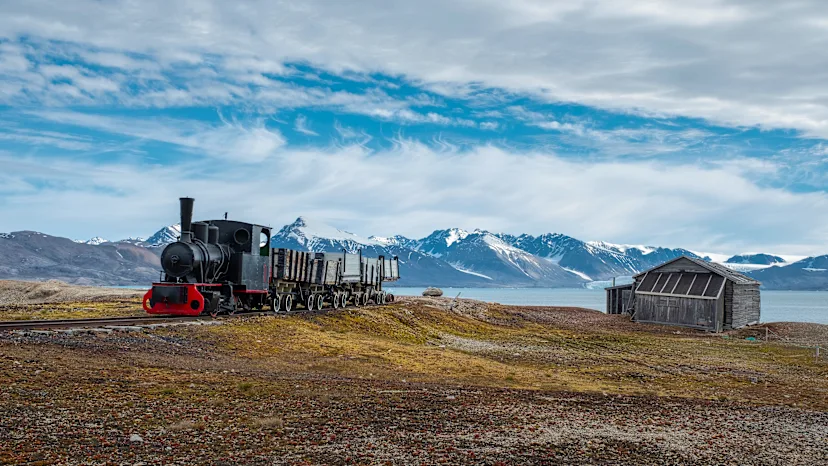
Located on the southern fringe of the frozen Arctic Ocean, we offers expedition landings, hikes, kayaking and other excursions on Svalbard – there are lots of things to do in Svalbard. Part of the Svalbard experience is visiting the different and fascinating settlements like Longyearbyen, Barentsburg, or Ny-Ålesund – all with a different scent and atmosphere. However, they share a certain pioneer feeling, a “Klondike-like” atmosphere – displaying self-confidence in their isolation from the mainland. This Archipelago holds fascinating histories of the polar heroes of the north, and cultural heritage from the coal mining era as well as the history of exploration, hunting and whaling.
Svalbard wildlife
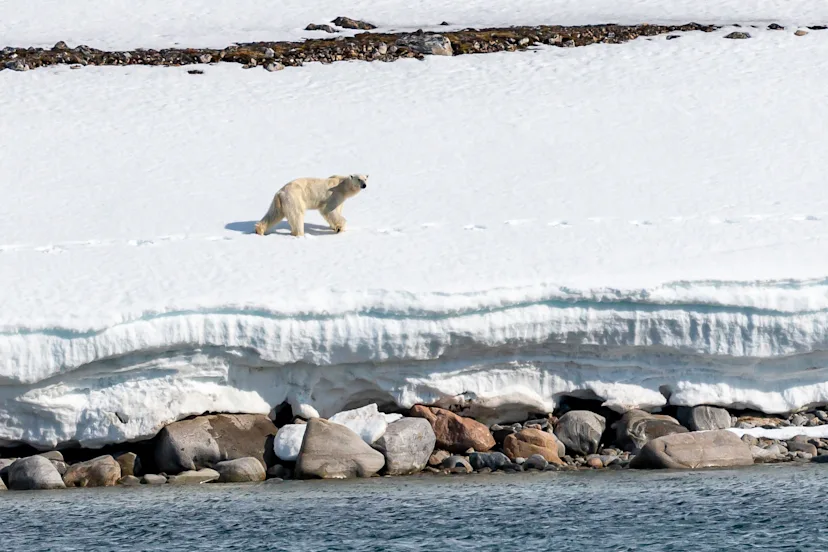
The Svalbard wildlife is unique and fascinating. In the Artic wilderness you’ll find the majestic polar bear, witch outnumber humans on Svalbard. Did you know that polar bears are good swimmers and can swim for several miles and days in row? Read more and get to know the polar bear better. You can also find artic foxes, reindeers, seals and whales. During summertime large numbers of sea birds flock to the archipelago. Svalbard has long been a tourist destination, ever since the coal industry began. You will find old mining villages, abandoned whaling stations and hunting lodges dating back several centuries. A cruise to Svalbard will give you best of both worlds, exotic wildlife and majestic nature, but also history and culture.
You may encounter polar bears in Spitsbergen
You may already know that polar bears are also abundant in Svalbard. While polar bears are more common in the less-populated islands of the Svalbard archipelago, you can see them in Spitsbergen occasionally. These majestic animals are naturally curious, and while they're not all that interested in humans as food, they can be dangerous. You ought to make sure you venture out into the wilderness of Spitsbergen only with a knowledgeable guide, and that you're aware of the precautions you should take in the case of a polar bear encounter.
Weather climate and best time to visit Svalbard
Located halfway between mainland Norway and the North Pole, one might expect it to be unbearably cold. However, thanks to the Gulf Stream, Spitsbergen and the other islands in the Svalbard archipelago boast a surprisingly mild climate with distinctive seasons. The arctic summer, blessed with long days and buzz of wildlife and human activity, is favoured by travellers seeking the classic arctic experience. But delve deeper and you'll find each season has its own distinct character, from winter's crisp northern lights to spring's welcoming of new beginnings.
Culture in Spitsbergen
Spitsbergen is likely to be the farthest north you ever venture - unless you're interested in making it to the North Pole - so it would be a shame not to take in the culture in this area. A must-see location is the Svalbard Museum in Longyearbyen, which traces the history of the island and the way the landscape and climate of the island have interacted with human habitation here. Travellers say the museum is well-curated and that all of the information is clear and available in English. If you are at all interested in what makes Spitsbergen precisely what it is, this museum is a vital part of your trip.
There is also the North Pole Expeditions Museum, which displays the accounts and artifacts of thrilling attempts to get to the top of the world. It, too, is in Longyearbyen, and focuses on efforts to reach the North Pole by airships that departed from Svalbard. While these expeditions are all shrouded in some degree of mystery, the museum hopes to demystify them for the interested traveller.
You may also wish to pay a visit to the world's northernmost church - Svalbard Church in Longyearbyen. It is part of the Church of Norway, and hosts both religious services and cultural gatherings. It is open 24 hours a day, and welcomes travellers to stop in and take a moment for quiet contemplation.
Svalbard has long been a tourist destination, ever since the coal industry began. You will find old mining villages, abandoned whaling stations and hunting lodges dating back several centuries. A cruise to Svalbard will give you best of both worlds, exotic wildlife and majestic nature, but also history and culture.