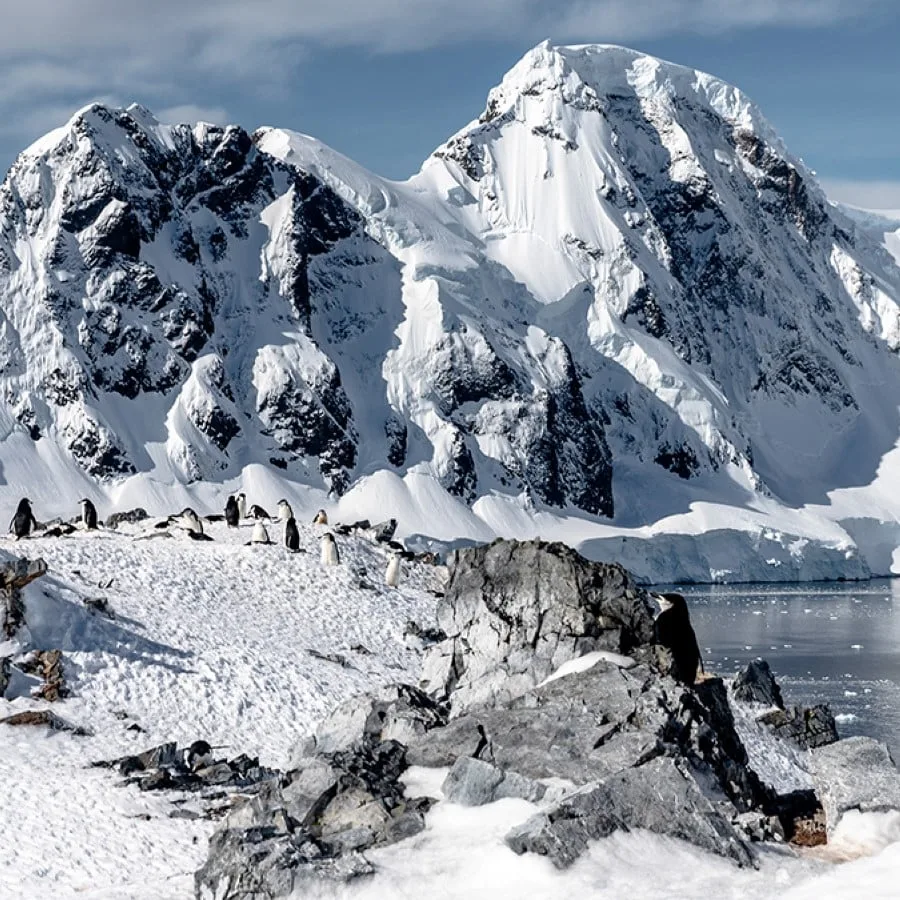
Antarctica & Falklands Expedition
Northbound
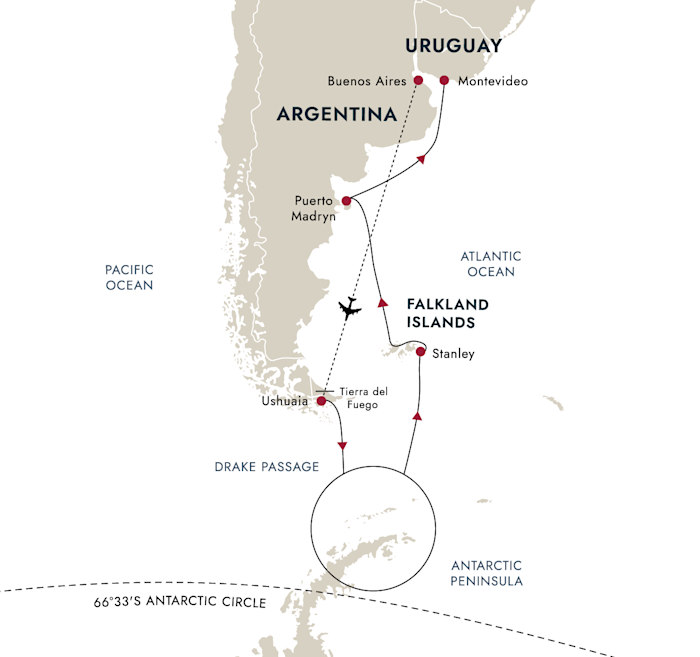
19-day all-inclusive Antarctica expedition cruise from Buenos Aires
Embark on a late-summer Antarctic expedition, marveling at its stunning wildlife and breathtaking sunsets, before sailing north to the Falkland Islands.
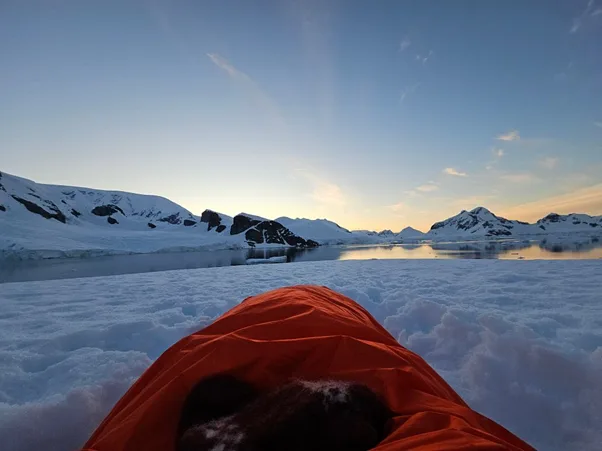
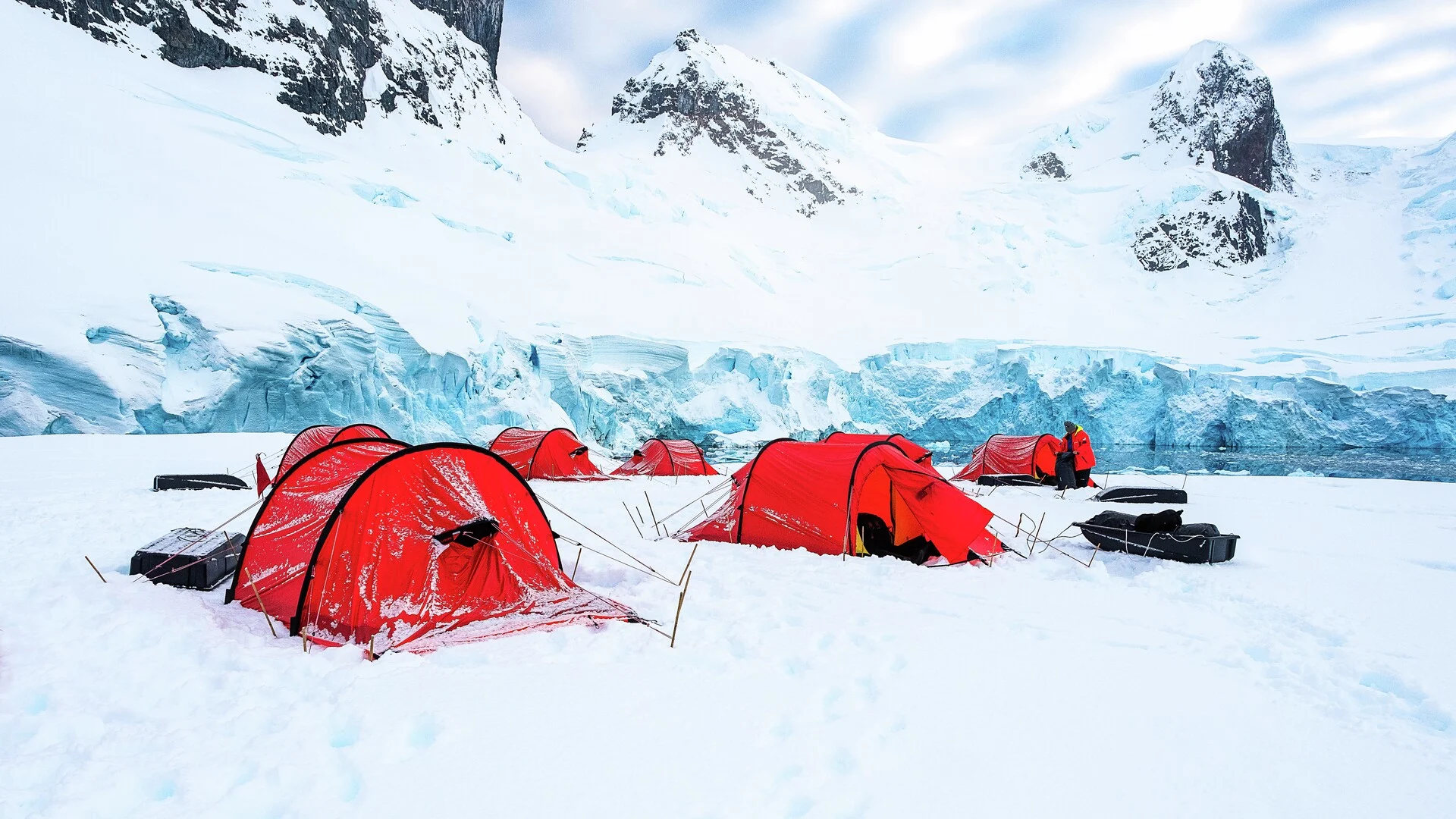
Spot whales and penguins and join the Expedition Team hiking, kayaking, ice-cruising and perhaps even camping overnight on the Antarctic snow.
Explore the remote Falkland Islands and see the rich wildlife there before heading to Puerto Madryn in Patagonia.
The frozen continent
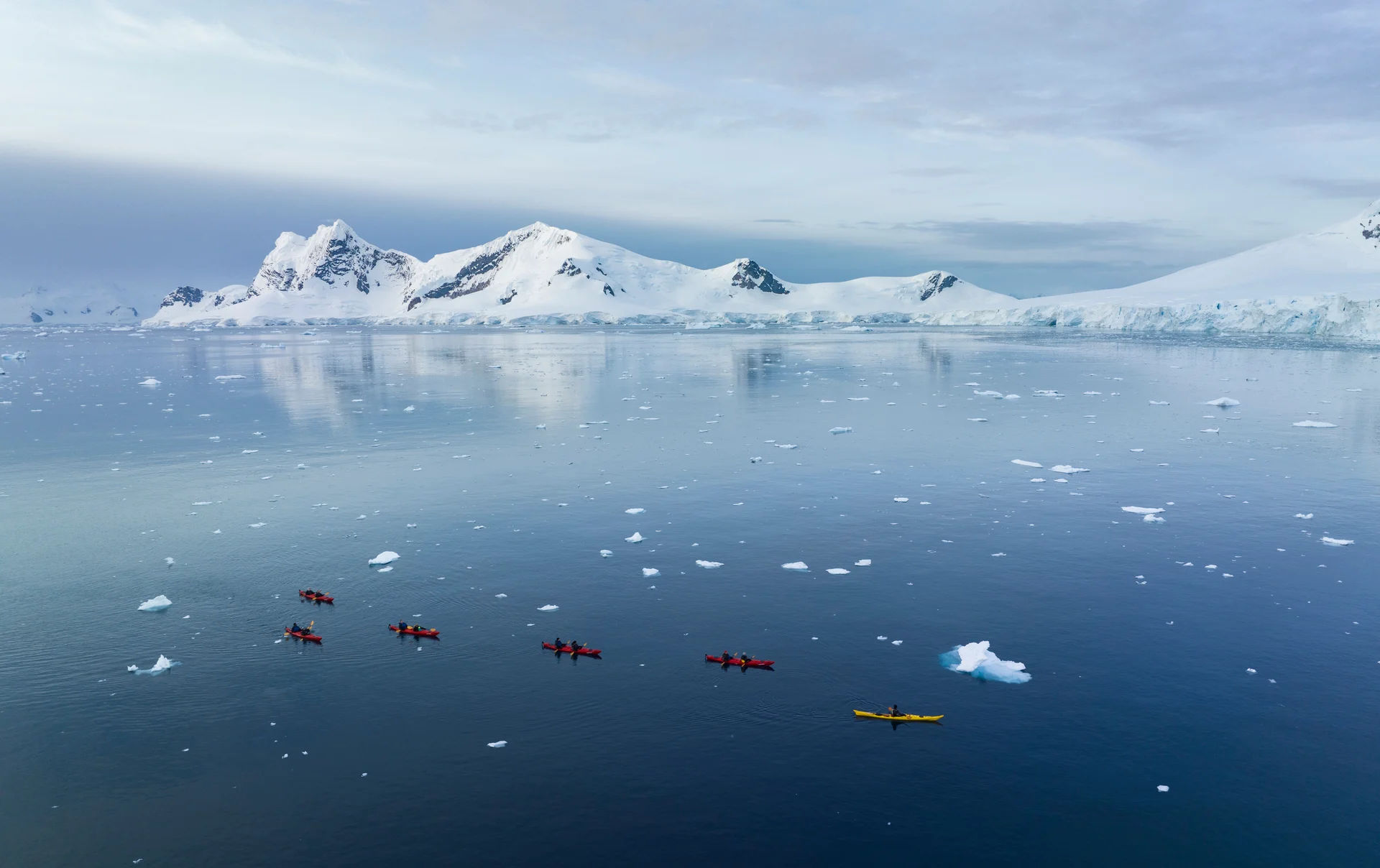
Set sail through icy waters as we journey from Ushuaia to Antarctica. When we arrive in the thrilling and otherworldly Seventh Continent, we’ll enter expedition mode. Monitoring the conditions to give you the best adventure possible, we’ll attempt kayaking, ice-cruising, wildlife watching, hiking and more.
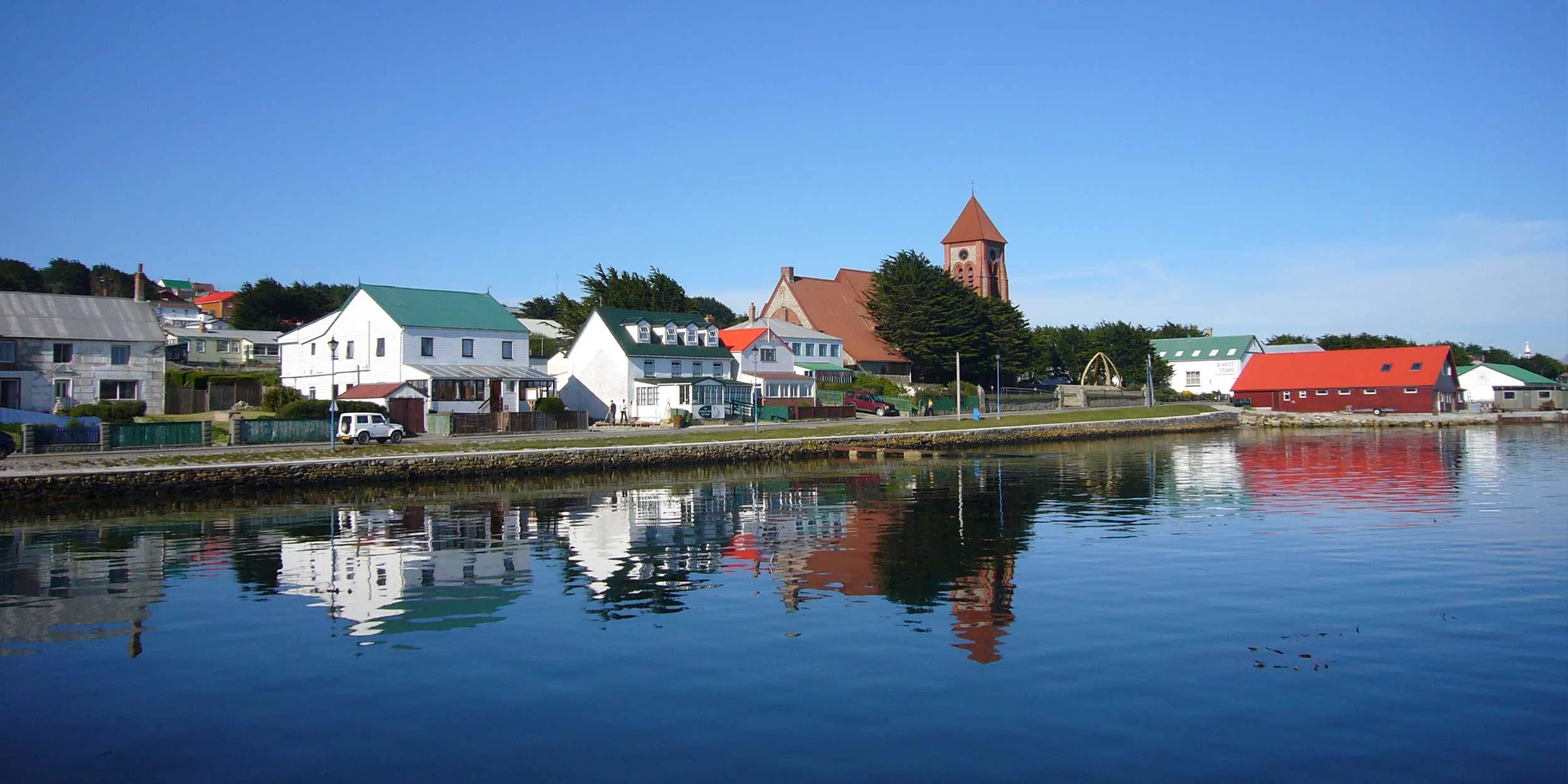
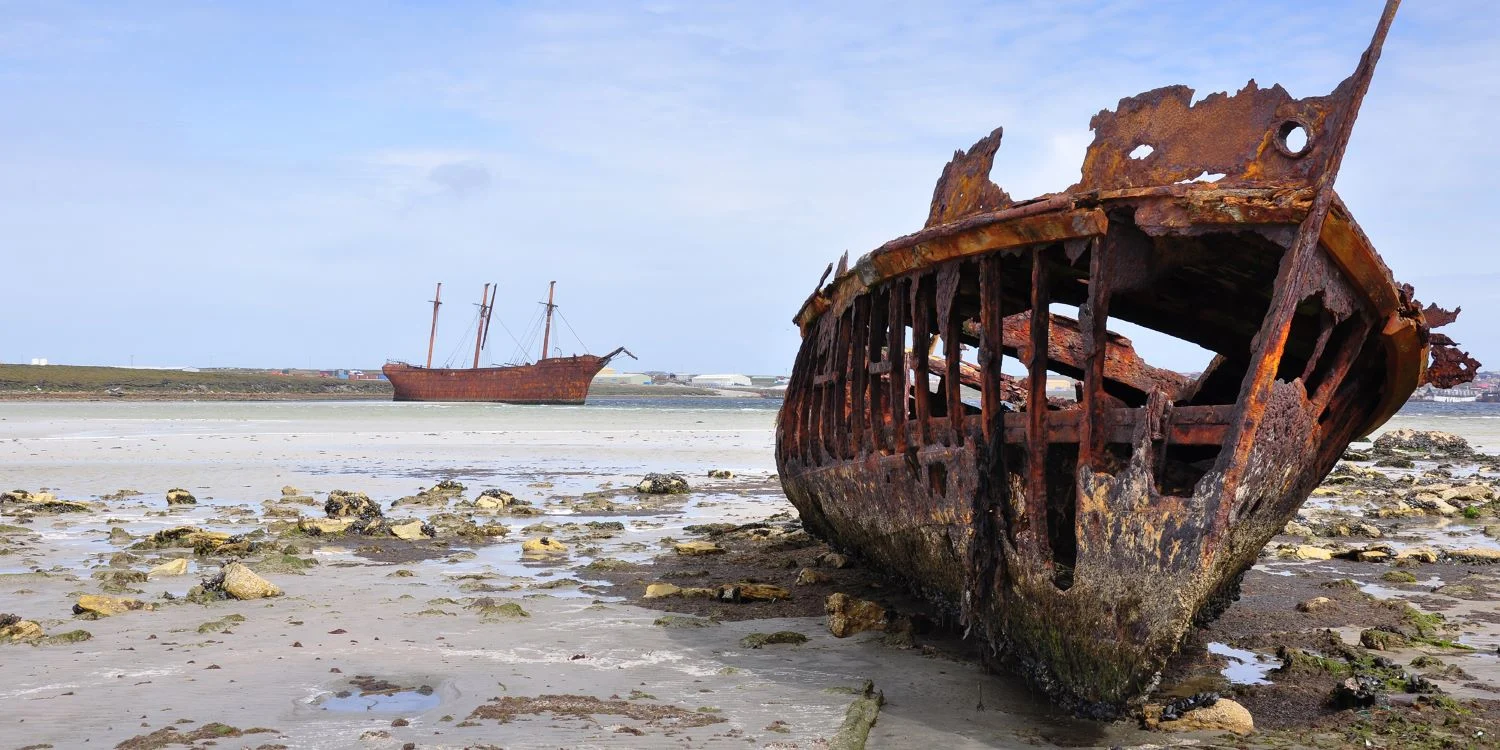
Lush green landscapes of the Falklands
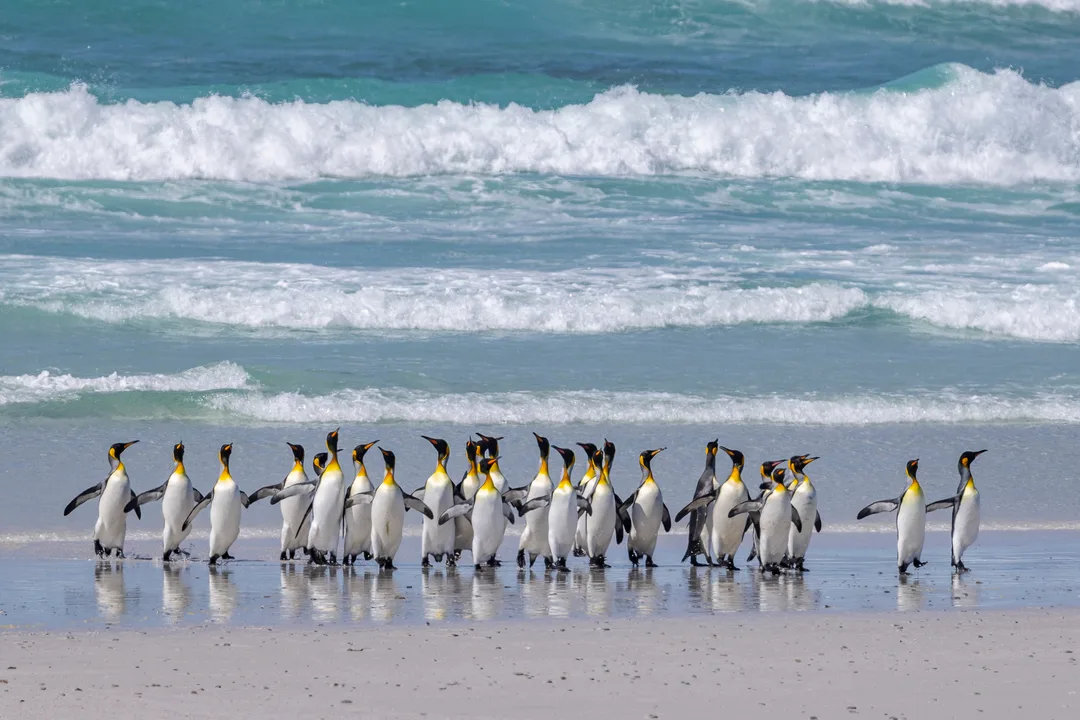
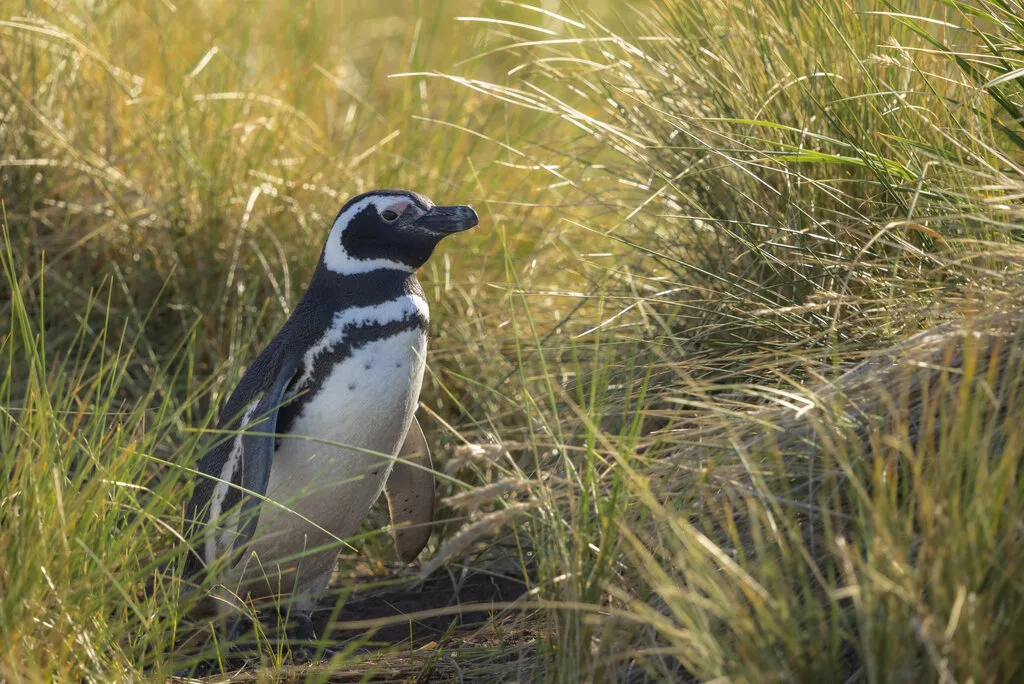
Explore the rolling green hills and white sands of the picturesque Falklands archipelago. You’ll enjoy a visit to the charming capital Stanley and see the penguin, albatross, and seal colonies that populate the shores. Continuing north to Puerto Madryn, warm sandy beaches and a tranquil nature reserve await you.
Expedition SuitesExploration, Enhanced
Key Expedition Details
Itinerary
Your adventure at a glance. Daily highlights, included activities, and optional extras to make it unforgettable.
Feel the rhythm of bustling Buenos Aires
An overnight stay in Buenos Aires is the ideal way to start your Antarctic adventure.
Home to a proud and diverse community of porteños, or ‘people of the port’, this city is a sensuous fusion of faded European splendour and Latin American panache.
There are plenty of places to explore, including many parrillas serving authentic Argentine steak. Or maybe you’d like to practise your dance moves in the famous hometown of the tango.
Why not consider arriving a few days early to see all this vibrant city has to offer, or explore the region with our optional Pre-Programme.

Fly to Ushuaia and start your adventure
Your adventure begins with an early morning flight to Ushuaia, where we'll meet your hybrid-powered expedition ship, specially designed for exploring polar waters.
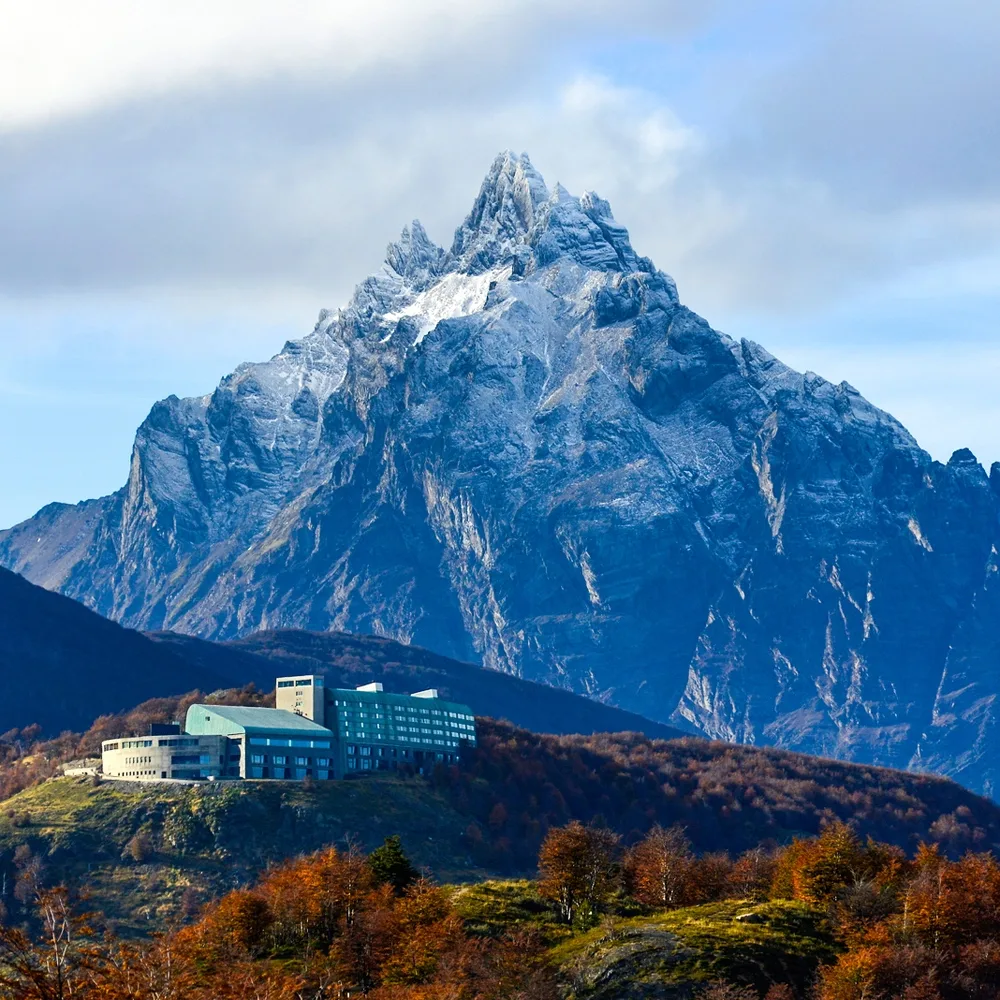
This bustling port is the capital of Argentina’s Tierra del Fuego Province. Set against the magnificent backdrop of the Martial Glacier, Ushuaia vies for the title of the world’s southernmost city.
After a briefing from your Expedition Team, you’ll have time to settle into your cabin and explore the comforts and amenities on board.

Centre on science before your Antarctic adventure
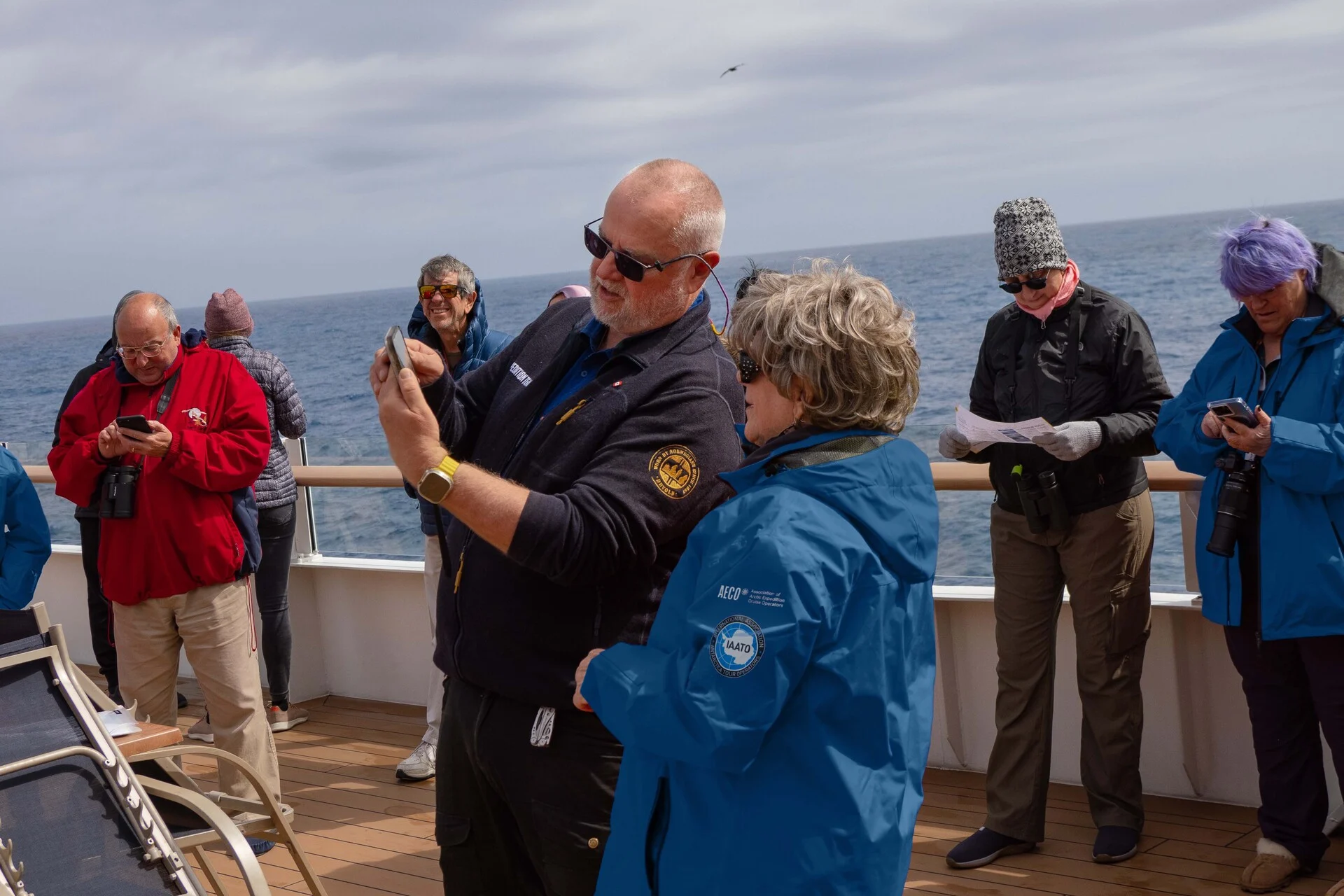
On the two-day crossing through the Drake Passage, the Expedition Team will equip you with all you need to make the most of your polar expedition cruise.
Visit the onboard Science Centre and find out what lies ahead. Listen to experts talk passionately about Antarctica’s history, the science beneath the ice, and the impact of climate change and plastic pollution. You'll learn how to make your visit as safe and as low-impact as possible, and about the Citizen Science projects you can join.
There's plenty of time to relax, so unwind in the spa and wellness area, enjoy some delicious cuisine and meet fellow travellers in the Explorer Lounge & Bar.

Experience Antarctica in all its natural majesty
Nothing quite prepares you for the awe of Antarctica. Surrounded by towering glaciers, the continent will fill you with wonder as you spend five magical days exploring its frozen landscape.
When we arrive, the Antarctic summer is coming to an end, so you can look forward to seeing the landscape beautifully illuminated by breathtaking sunsets. It’s a great time to see penguins in their final stage of moulting and its peak whale-watching season as large amounts of krill lure cetaceans to the area.
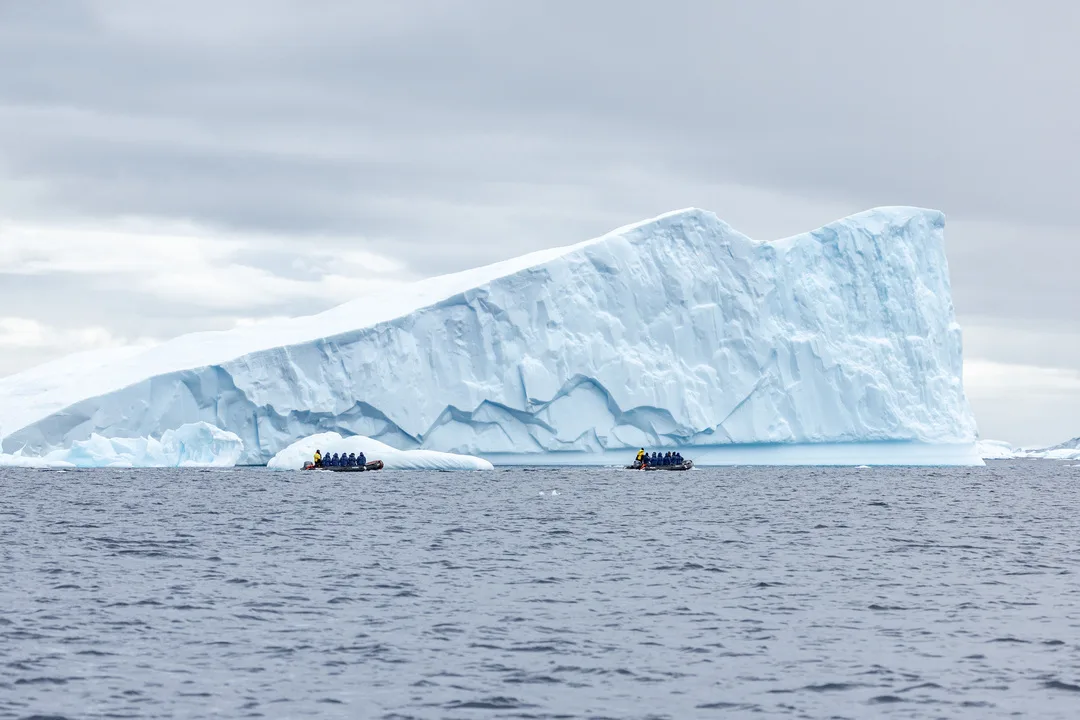
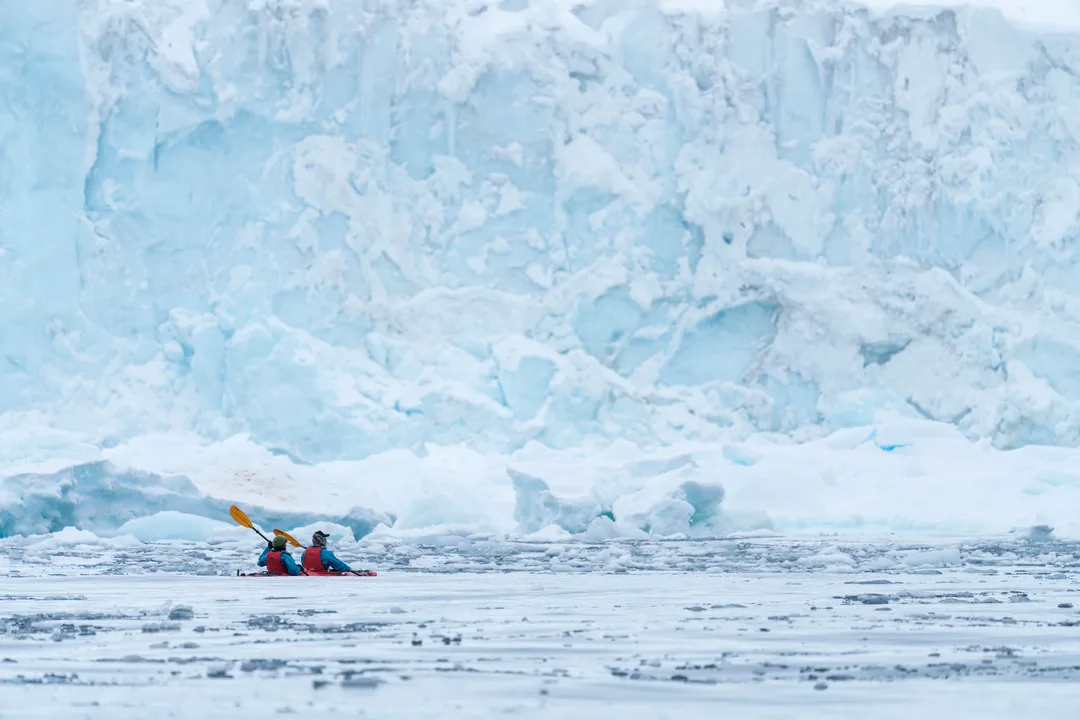
You'll join the Expedition Team on landings and ice cruises. You may even get a chance to go kayaking among the icebergs. Back on board, the Expedition Team will continue their lectures, helping you grow in your insights into the frozen continent.
Discover more about the Falkland Islands
As you savour your Antarctic experiences, prepare for more adventures ahead as we cruise towards the Falkland Islands. Your Expedition Team will brief you about the history and biology of the islands. In the Science Centre, you can look through the microscope at the tiny krill and phytoplankton that sustains so much of the region's wildlife.
Get tips from our professional photographer to improve your images or join workshops on wildlife painting and nautical knots. You can also book a spa treatment, visit the gym, and enjoy the locally sourced, regionally inspired dishes in our restaurants.
Enjoy birding and hiking in these green islands
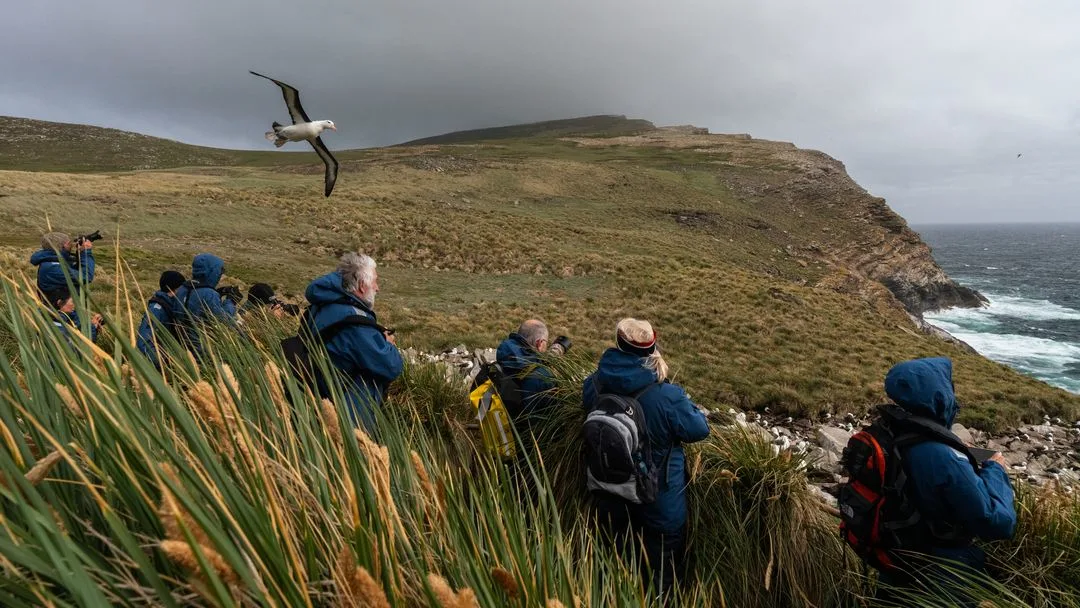
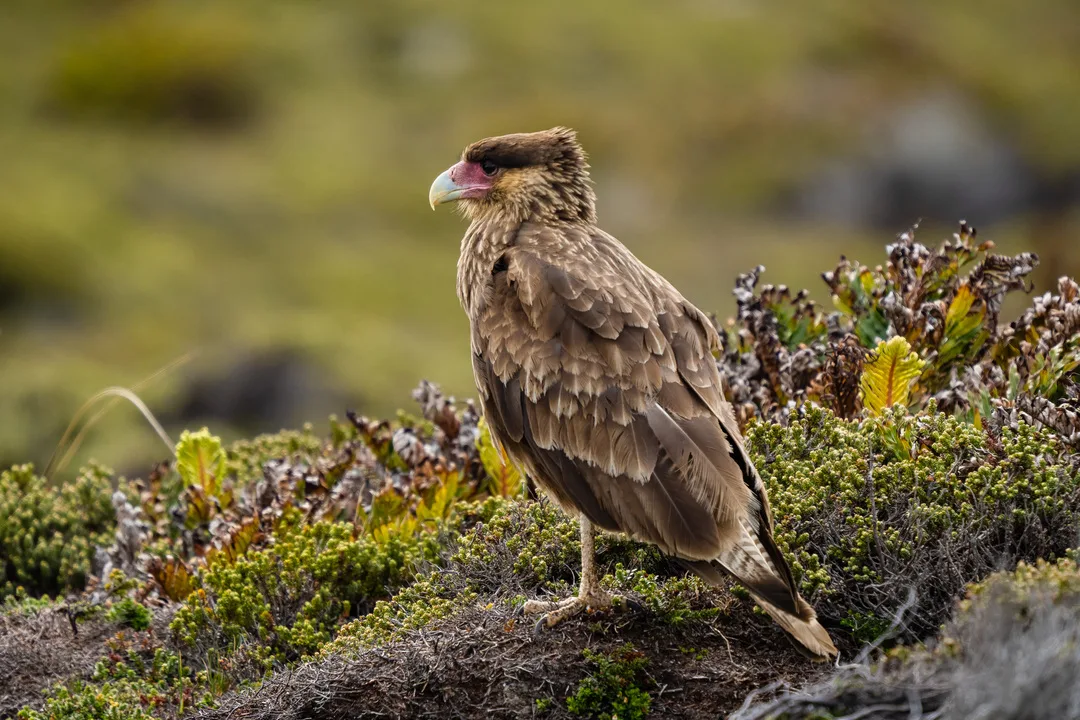
The Falkland archipelago is filled with seamless horizons and white sands teeming with birdlife. Only the occasional farm dots the landscape. You’ll find grassy hills and wildflowers, in contrast to the vast whiteness of Antarctica. You'll also enjoy a community walk around Stanley, taking in the Jubilee Villas gardens, Christ Church Cathedral and the Historic Dockyard Museum.
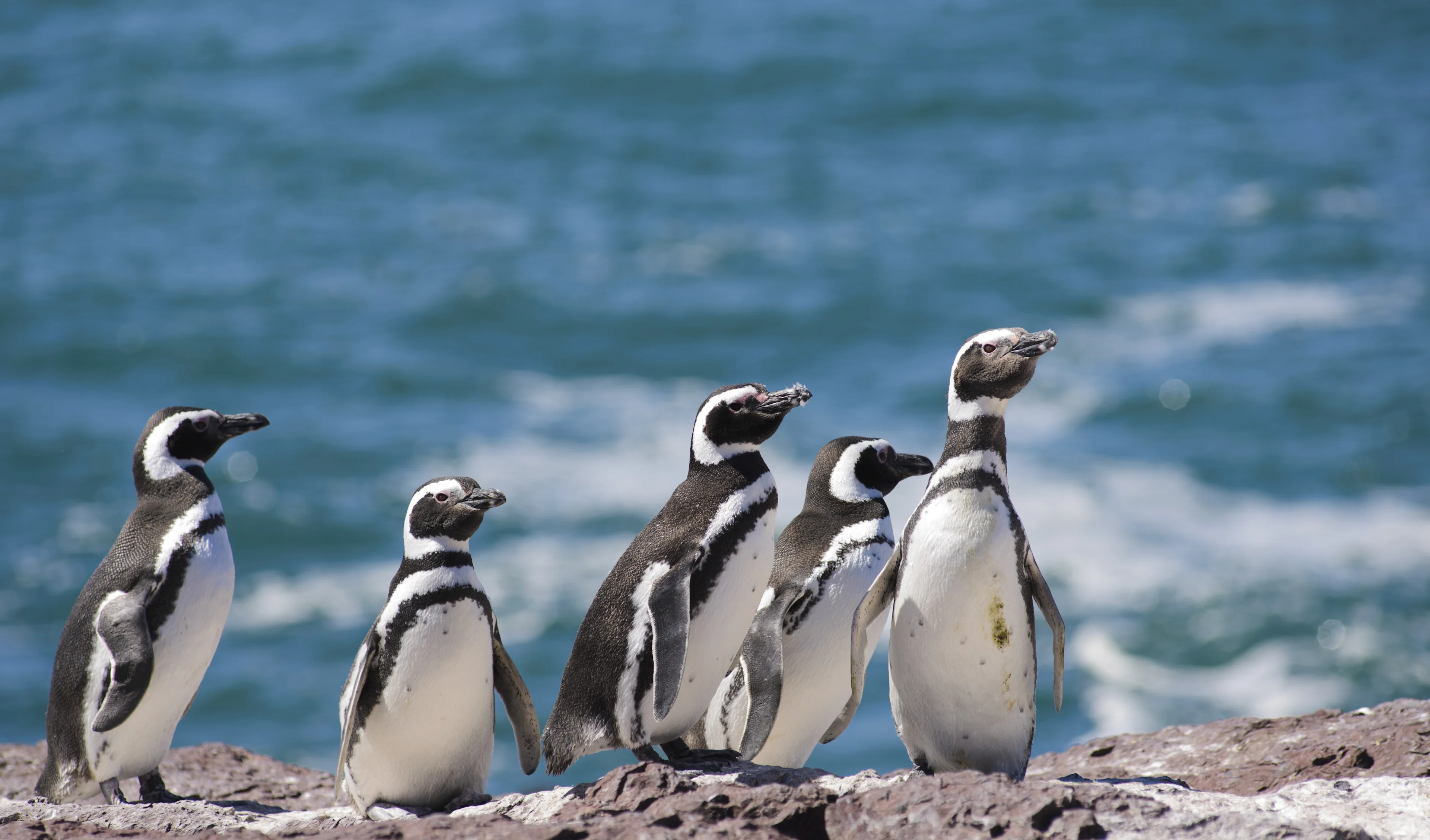
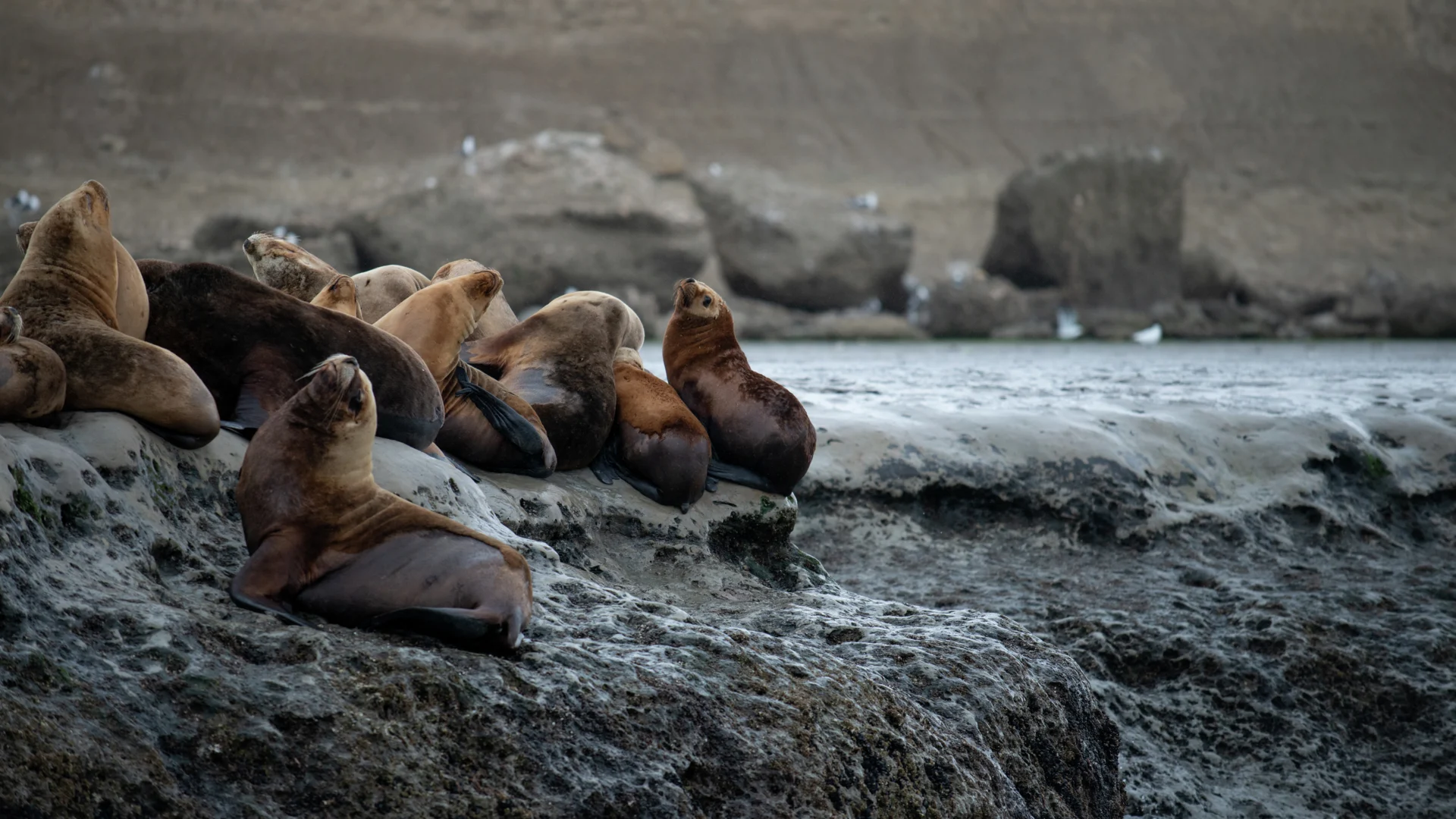
Our landings, hikes and excursions are, as always, guided by the conditions. We hope to visit albatross and penguin colonies, which are often found sharing space with seals, and getting as close as we can without disturbing them.


Relax and get ready for Puerto Madryn
Enjoy a relaxing day at sea as we sail towards Puerto Madryn. You’ll have experienced so much in Antarctica and the Falklands that your head will likely be a swirling kaleidoscope of special memories and new knowledge.
Join the Expedition Team in the Science Centre to examine special interests in more depth. Learn more about photography, or simply relax on deck, mulling over the highlights of a memorable adventure.
End the day in the Explorer Lounge & Bar with the new friends you’ve made on your trip, sharing experiences over a relaxing drink.

Visit a UNESCO wildlife haven
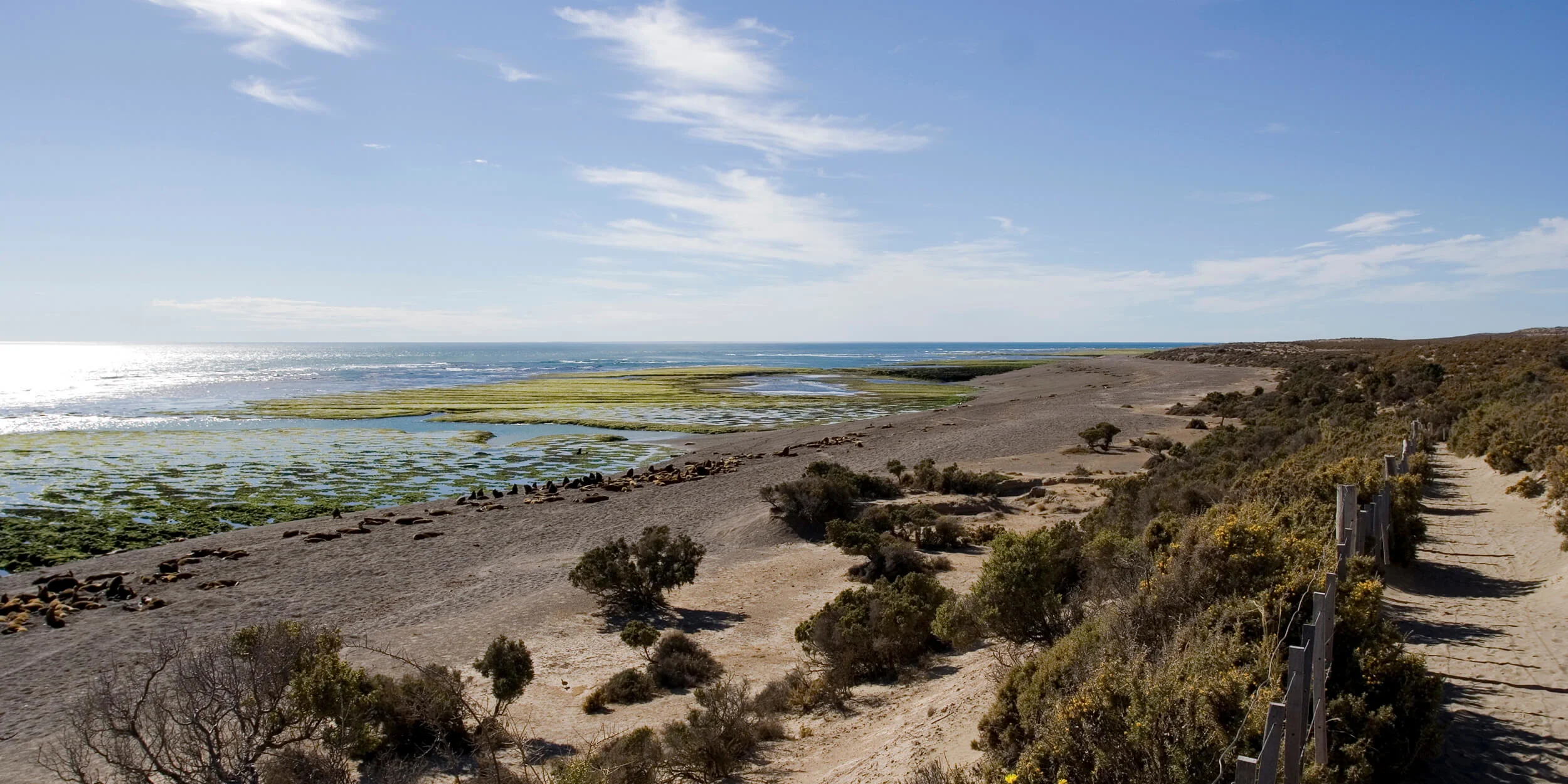
Puerto Madryn boasts warm temperatures and beautiful beaches. It’s also the gateway to the dramatic Valdes Peninsula, and while we’re here, you can explore the stunning nature reserve and UNESCO World Heritage Site.
You might get the chance to see marine mammals. There are also no less than 180 species of birds living on the peninsula, so don’t forget to bring your binoculars. Stroll through the tranquil natural beauty of the reserve, enjoy a delicious bite to eat and browse the local arts and crafts shops.
Time at sea to rest and reflect
As we sail the final leg from Puerto Madryn to Buenos Aires, enjoy your final day at sea.
Join the Expedition Team in the Science Centre to examine special interests in more depth. Learn more about photography, or simply relax on deck, recalling the highlights of your memorable adventure. And don't forget to contribute your findings to Citizen Science projects.
End the evening in the Explorer Lounge with the new friends you’ve made on your trip, sharing experiences over a relaxing drink.

Disembark the ship and explore the vibrant city
Disembark the ship in the morning and enjoy time to explore Uruguay’s interesting capital at your leisure.
You might stroll along the Rambla of Montevideo, a picturesque waterfront promenade stretching over 13 miles, or wander through Ciudad Vieja, the historic centre lined with colonial architecture, art galleries, and bustling markets. Don’t miss the colourful Mercado del Puerto, a lively spot selling traditional Uruguayan cuisine.
This is your chance to soak in Montevideo’s culture, history, and waterfront at your own pace.

What's included?
Included activities & excursions
These activities are included with your trip. Our Expedition Team will confirm timings once you’re on board. Selected activities can also be booked before departure.
Optional extras
Enhance your journey with optional extras. Some activities are only bookable onboard and can’t be reserved online or by phone. Subject to availability.



Our Antarctica ship
Get a taste of what life is like on board the ships that sail on this itinerary
Expedition Suites
Exploration, Enhanced
Offers
Enjoy limited-time savings on selected sailings. Combinable on select offers.

Frequently Asked Questions
Can I book my international flights with HX?
Yes. International flights aren't included in the standard package, but our flight team can arrange flights from most regional airports to help you reach your embarkation port. You're also welcome to book your own — but there are good reasons to let us handle it.
Flights coordinated with your expedition
Your flight schedule is planned around ship operations and charter flights, helping each leg of your journey connect with your voyage.
Support when plans change
If a flight is delayed, cancelled, or rescheduled, our team will work with the airline on your rebooking. If a significant schedule change means you can no longer arrive in time for your ship, we'll arrange a suitable alternative at no extra cost, subject to the applicable arrangements.
If you book your international flights independently, we cannot assist with rebooking those flights. Any changes and associated costs will be your responsibility or may need to be covered by your travel insurance. Delays could also affect your ability to reach your ship in time.
A dedicated team to help you
Our flight team monitors your travel arrangements and helps manage disruption. If something changes, we'll work with you to find a solution and keep your expedition plans on track.
Flight options to suit your journey
We can arrange flights from most regional airports to help you reach your embarkation port. Changes to your departure airport and cabin upgrades may also be possible, subject to airline rules, availability, and additional costs where applicable.
Why do I need to complete a Medical Screening Form?
Due to the remote nature of our expeditions to Antarctica, it’s important for us to be aware of any health concerns. To prioritise the health and safety of our guests and crew, a Medical Screening Form is required for expeditions to Antarctica. For more detailed information on this topic, click here.
What is the Medical Screening Form Promise?
Our promise to you is that if your Medical Screening Form is declined for medical reasons as determined by Vikand Solutions, we will refund you of all bookings made by HX up until the date of declinature. This includes all applicable flights, hotels and ground transportation. Rebookings can be made at no additional cost, subject to applicable booking conditions. For more detailed information on this topic, click here or see our terms and conditions.
How do I complete the Medical Screening Form?
We require all guests (including children) to submit and complete the Medical Form prior to departure to Antarctica.
Complete the form online through the Vikand Medical portal. It includes sections for both you and your doctor to fill out. You can begin the process up to 120 days before your sailing start date. Group bookings: access opens 90 days before your sailing start date. To start, Vikand will verify your name against our passenger list. If your name isn’t found, please contact HX or your local travel agent(if you booked through one) to ensure your name has been added to the booking exactly as it appears on your passport. For Doctor’s section - if your doctor can't sign the form, please consult an alternative or use Vikand’s online doctor service.
To make sure you receive important updates about your Medical Screening Form, we’ll send a verification email to the address you provided. Please check your inbox (and Spam/Junk folders) and click the verification link to continue. Once verified, you can complete the Guest Section of the form. If you don’t receive the email, try using an alternative address for future updates.
Please note: We only accept the Medical Screening Form available through Vikand portal and has been specially designed for HX sailings to remote destinations.
What’s included for suite guests?
A suite with HX is a premium, all-inclusive experience designed to elevate your expedition cruise. Suite guests enjoy priority boarding, access to the Lindstrøm fine-dining restaurant, premium drinks, laundry, welcome champagne, and much more. It’s the perfect way to indulge your inner explorer.
How to choose an Antarctic cruise?
We recommend choosing an Antarctic cruise provided by a reputable company with modern ships and top experts to help you understand and get the most from your incredible opportunity. Coming to such a pristine wilderness, we also consider it of the utmost importance to take care to protect the environment and keep it unspoiled.
At HX Expeditions, we offer expedition cruises to Antarctica with a variety of different itineraries, so you can find one that suits you best. Simply get in touch with our knowledgeable experts – they’re always happy to help. They can talk to you and ask you about your preferences to help you choose your dream trip to Antarctica.
Once you’ve chosen a cruise, our friendly teams can give you expert advice on topics such as what you need to pack for Antarctica.
What animals live in Antarctica?
Antarctica is teeming with animal life. Even though it’s one of the least hospitable places in the world, the wildlife there is spectacular.
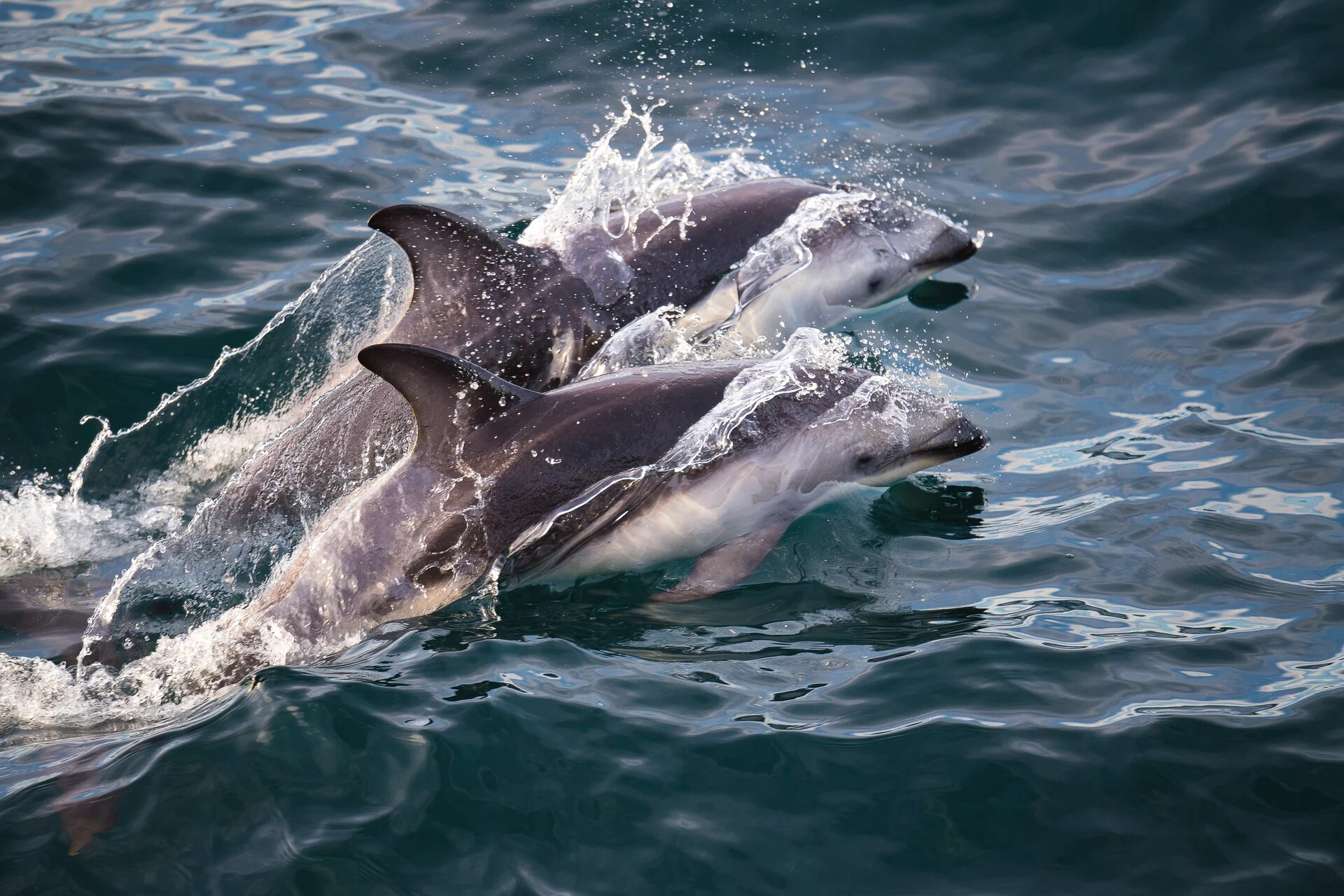
The largest animals of all are found around Antarctica – whales. The whales found here include blue, humpback, Minke, sperm, and beaked. It’s also thought that Antarctica has the largest population of orcas (a type of dolphin) to be found anywhere in the world. In addition, many other types of dolphins are found here. Seals abound, including fur seals, leopard seals, elephant seals and sea lions.
Penguins are the most common birds in the Antarctic, where there are about 20 million breeding pairs (40 million birds). There are 18 different species of penguins in Antarctica, and while most are migratory, the Emperor Penguin and Adélie Penguin remain on the continent year-round, hatching their eggs among the bare rocks. Other birds found here include albatrosses, petrels, skua, prions, fulmars, shearwaters, gulls, terns and cormorants.
Some of the most notable differences between Antarctica and the Arctic are the differences between the animals found there. While penguins are emblematic of the Antarctic, there are no penguins in the Arctic. Moreover, there are no land mammals, reptiles or amphibians in Antarctica, so there are no Polar Bears! In fact, the only terrestrial vertebrates in Antarctica are birds that are found on the sub-Antarctic islands – the South Georgia pipit and freshwater ducks.
Further down the food chain are huge numbers of krill, fish and squid that nourish the marine ecosystem. In fact, the vertebrates living in Antarctica are almost entirely dependent on the Southern Ocean surrounding the continent for sustenance.
Invertebrates in Antarctica include earthworms and molluscs, as well as spiders, beetles and flies – though these are mainly confined to the warmer sub-Antarctic islands. There are no flying insects on the Antarctic continent itself – only tiny nematodes and the Antarctic springtail arthropod are able to survive and complete their lifecycles there.
How cold is Antarctica?
It gets very cold. In fact, Antarctica is the coldest continent on Earth. The lowest temperature ever recorded at the surface of the Earth was recorded at Vostok research station, where the temperature once fell to −89.2 °C during winter.
However, the temperature varies considerably with the location, weather and seasons in Antarctica.
The coldest parts of Antarctica are in the interior of the continent, away from the coasts. Even during the summer, the interior remains below freezing with an average temperature of between −20 °C and −35 °C. The average temperature here during the coldest months is between −40 °C and −70 °C. It gets so cold because the sun doesn’t rise here in winter. Ever in summer, the sun remains low in the sky, so its rays are spread out over a wider surface area than they are in warmer parts of the world.
The warmest parts of Antarctica are the coastal areas, where the maritime climate keeps temperatures slightly higher. The average temperature during the coldest months here varies from −20 °C to −30 °C, while the mid-summer average temperature is about 0 °C on the coast.
The Antarctic Peninsula and the islands around it extend the furthest northwards towards the equator. Here, midsummer temperatures remain mostly below 0 °C, but can reach as high as 15 °C on occasion.
Research indicates the rate of climate change in Antarctica is greater than the global average.